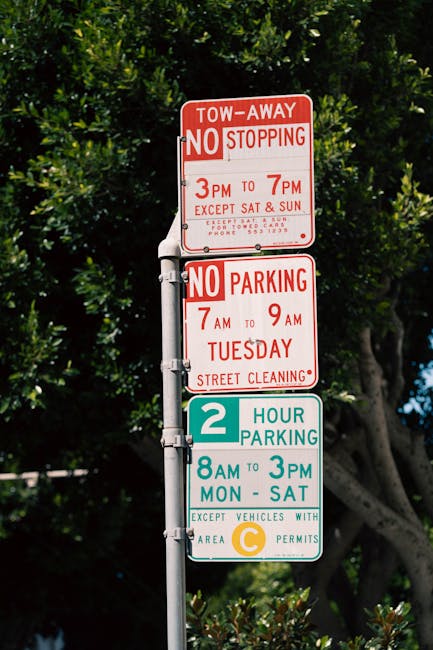
Bexley Council skip permit rules for Thamesmead: a practical guide for householders and businesses
If you are planning a clear-out in Thamesmead, the phrase Bexley Council skip permit rules for Thamesmead can sound more complicated than it really is. The headache is usually the same: where can the skip sit, do you need permission, and what happens if the road is tight or shared? One wrong assumption, and suddenly a simple job turns into a delay.
This guide breaks the topic down in plain English. It explains why skip permits matter, how the process usually works, what to check before you book, and when an alternative waste removal option may be the smarter choice. You will also find practical checklists, a comparison table, and a realistic example from a Thamesmead-style clearance job. Truth be told, that is often what people need most: not legal jargon, but a clear path through the mess.
Why Bexley Council skip permit rules for Thamesmead matters
Skip permits exist to manage where skips can be placed and how they affect roads, pavements, traffic, pedestrians, and neighbours. In a place like Thamesmead, where some streets can be busy, narrow, or shared between residents, this matters more than people expect. A skip placed without the right permission can create friction very quickly. A complaint from a neighbour is never a fun phone call, especially first thing on a damp Monday morning.
The practical issue is simple: if you want a skip on public land, the council usually needs to know about it. Public land normally means the road, verge, or pavement. If the skip sits entirely on private land, the permit issue may be different, but you still need to think about access, surface protection, and whether the driver can safely deliver and collect it.
For Thamesmead residents, the biggest risk is not just the paperwork. It is the knock-on effect. A skip that blocks part of the street can be awkward for delivery vans, bin collections, and mobility access. A permit helps show that the placement is planned, visible, and managed. That reassurance matters, even if the skip is only there for a few days.
Key takeaway: if your skip is likely to sit on the road or any other public surface, check the permit position before the hire begins. It is far easier to sort out in advance than after a complaint or enforcement issue.
And if the project is not a full renovation, you may find a skip is more than you need. In many cases, a targeted waste removal service or a specialist clearance option can save time, space, and a bit of stress as well.
How Bexley Council skip permit rules for Thamesmead works
The basic idea is straightforward: if the skip is placed on a public highway, a permit or licence is usually required. If it is kept on private property, such as a driveway or enclosed forecourt, you may not need one. That said, private placement only works if there is enough room for the vehicle and if the surface can take the weight. A cracked driveway can turn a cheap hire into a costly repair, which nobody wants.
In practice, skip permit arrangements often involve three moving parts:
- The location - road, pavement, verge, or private land.
- The responsibility - usually the skip hire provider arranges the permit, though the customer should confirm.
- The conditions - lighting, visibility, skip markings, and the period of use.
For Thamesmead, this is especially relevant where parking is limited or shared. If a skip vehicle cannot position safely, the delivery may fail. If the skip partly obstructs the footway, the placement may need extra care or an alternate location. A little planning at the start saves a lot of shuffling around later.
It also helps to distinguish between a skip and other forms of waste collection. A skip is static and ideal for ongoing loading. A clearance team, by contrast, can remove rubbish directly from the property. That can be useful for flats, maisonettes, commercial units, and homes without practical outside space. If you are dealing with bulky items, old office stock, or mixed household waste, you might also find house clearance, office clearance, or flat clearance more convenient than waiting for a skip.
What usually affects approval and setup
- Whether the skip sits on public or private ground
- Road width and traffic flow
- Pedestrian access, especially for prams, wheelchairs, or pushchairs
- Visibility at night and in poor weather
- Whether the skip is clearly marked and managed
- How long it will remain in place
One thing people often miss: the permit is only one part of the setup. You still need to think about loading safely, keeping prohibited materials out, and arranging collection on time. A permit does not make the skip immune to problems. It just makes the placement lawful and better managed.
Key benefits and practical advantages
Following the right skip permit process is not just about avoiding hassle. It can make the whole project smoother from start to finish. To be fair, most people only realise that after the first time they try to "just get it sorted" and run into a road space issue.
- Less risk of enforcement trouble - a properly permitted skip is less likely to trigger objections.
- Better neighbour relations - no one likes a surprise obstruction outside their home.
- Safer site management - visibility and placement can be handled more carefully.
- More predictable scheduling - the hire is less likely to be delayed by avoidable admin.
- Clearer budgeting - you know what you are dealing with before the work starts.
There is another, quieter benefit: confidence. If you are juggling a renovation, a probate clear-out, or a business move, having one part of the plan clearly sorted takes real pressure off. The skip is no longer a question mark. It is just part of the job.
For larger domestic or commercial jobs, it can also be useful to compare skip hire with other waste solutions. A clearance team can often remove items in one visit, sort for recycling, and keep the process tidy. That is particularly helpful if you are clearing a loft, garage, or a cluttered office and do not want a skip sitting outside for days. Services such as loft clearance, garage clearance, and business waste removal can sometimes fit better than a standard skip.
Who this is for and when it makes sense
Skip permits in Thamesmead are relevant to a wide range of people. Some are managing one-off household clear-outs. Others are coordinating trades, office moves, or garden projects. The common thread is simple: if the waste cannot be handled by a couple of bins and a car boot, you need a proper plan.
This matters most if you are:
- Doing home improvements that generate heavy or mixed waste
- Clearing a property before sale or letting
- Managing a renovation in a road with limited parking
- Running a shop, office, or small business that needs regular waste collection
- Handling bulky items that are awkward to move through the property
- Working on a garden, driveway, loft, or garage clearance
In Thamesmead, the decision often comes down to space. If there is room for a skip on private land, that may be the simplest route. If there is not, then a permit-linked street skip or a direct removal service is the next question. There is no prize for picking the most complicated option. Pick the one that keeps the job moving.
For some properties, especially flats or shared blocks, a skip can be difficult because of access, stairwells, loading distances, or estate restrictions. In those cases, a targeted collection can be better. A quick review of the waste type helps too. Furniture, white goods, garden cuttings, builder's rubble, and office furniture all behave differently. A one-size-fits-all approach rarely does.
Step-by-step guidance
If you want a clean, low-drama process, follow a step-by-step approach. It sounds obvious, but people skip steps all the time. Then they wonder why the lorry is waiting at the kerb while someone is still moving a car. Happens more than you'd think.
1. Decide where the skip will go
Start with the actual placement, not the quote. Is there a driveway, private forecourt, or yard? Or does the skip need to go on the road? This single decision shapes everything else.
2. Check who is responsible for the permit
Many skip hire providers arrange permits as part of the booking, but not all do. Confirm this before paying. You do not want a last-minute scramble when the delivery date is already booked.
3. Plan the hire window
Think about the length of your project. If you only have the waste for one day, a skip may be overkill. If the waste will arrive gradually over a week, a skip can work well. Pick a duration that matches the job, not an optimistic fantasy version of the job.
4. Separate waste before loading
Sort materials if you can. Recyclables, timber, soil, general mixed waste, and bulky items should be understood before the loading starts. This helps avoid surprises and supports better recycling outcomes.
5. Prepare the site
Clear the access route, protect delicate surfaces if needed, and make sure the area is usable. If the property has limited access or awkward stairs, a clearance service may actually be less stressful than a skip.
6. Keep prohibited items out
Not everything can go in a standard skip. Hazardous materials, certain electrical items, and specialist waste often need separate handling. Always check the provider's rules. The skip may look huge, but it is not a magic box. Shame, really.
7. Arrange prompt collection
Once the skip is full, do not leave it sitting around longer than needed. Timely collection reduces complaints, space issues, and the temptation for other people to add their rubbish to your skip. That last one is a classic annoyance.
Expert tips for better results
Most permit-related problems are preventable. In our experience, the best outcomes come from a bit of boring, practical planning up front. Not glamorous, but effective.
- Take a quick photo of the intended placement before booking. It helps you judge space properly.
- Measure access points if the skip has to pass through a gate, alley, or tight driveway.
- Ask about permit lead time so you know whether the delivery date is realistic.
- Use the right service for the waste type. For example, builders waste clearance is usually a better fit for heavy construction debris than a general tidy-up service.
- Keep a little buffer time in case the project runs late. It often does, even when everyone swears it won't.
- Think about recycling early rather than at the end. It is much easier to sort as you go.
Another useful tip: if the job includes furniture, mattresses, or mixed household items, it may be more efficient to combine services than to depend on a single large skip. You can compare furniture clearance and furniture disposal against the time and effort of loading a skip yourself.
And if you are ever unsure, ask for a clear explanation of what happens on the day. Good providers should tell you where the vehicle will stop, how long the drop-off takes, and what to do if the permit is delayed. Simple answers are usually a good sign.
Common mistakes to avoid
A lot of skip permit trouble comes from assumptions. Reasonable assumptions, maybe, but still assumptions.
- Assuming private-looking land is automatically private. It may not be.
- Leaving the permit question until after booking. That is where delays begin.
- Choosing a skip too large for the location. Space is often the real limit.
- Ignoring neighbour access. A skip placed badly can block bin movement or foot traffic.
- Overfilling the skip. This can create collection problems and safety issues.
- Mixing waste types without checking. Some materials need separate handling.
- Forgetting the collection date. It sounds silly, but life gets busy and then the skip just sits there.
One slightly frustrating mistake is treating the permit as a side issue. It is not. The permit, the placement, the vehicle access, and the waste type all work together. If one part is off, the whole job feels harder than it should.
Tools, resources and recommendations
You do not need fancy software to handle a skip permit job well. A few practical tools make a real difference.
- Measuring tape - useful for driveways, gates, and side access.
- Phone camera - take photos of the site before booking.
- Simple checklist - list the waste type, delivery date, collection date, and permit status.
- Bagging and stacking supplies - keep loose items tidy before loading.
- Gloves and basic protective gear - useful for handling sharp or dusty waste.
If your project is broader than skip hire, it may help to compare service pages before deciding. For example, a home refresh may be better handled through home clearance, while a bigger whole-property project could suit house clearance. For projects with less domestic waste and more furniture or equipment, the service mix can change again.
If you want to understand how the company approaches professional handling and customer care, it is also sensible to review pages like about us, insurance and safety, and recycling and sustainability. They help you judge whether the provider thinks about more than just the collection itself. That matters.
Law, compliance, standards, or best practice
Skip permit rules sit alongside wider UK waste-handling expectations. The exact council process can vary, so it is wise to treat local guidance as the deciding factor for the placement itself. For the general principles, the safest approach is to ensure the skip is licensed where required, clearly visible, and used for appropriate waste only.
There are a few best-practice standards worth keeping in mind:
- Do not block access for emergency services, pedestrians, or essential deliveries.
- Keep the site safe and visible, especially after dark or in poor weather.
- Use properly insured and traceable waste handling when hiring a provider.
- Separate restricted waste streams when instructed by the provider.
- Document the booking so you know who arranged the permit and when collection is due.
If a skip is placed in an awkward or high-traffic location, extra caution is sensible. This is one of those situations where being slightly over-careful is better than being sorry later. No one wants cones, complaints, or a damaged verge because the original plan was a bit loose.
It is also good practice to read the hire terms carefully. Pages such as terms and conditions, payment and security, and complaints procedure help set expectations before the job starts. That is especially useful for landlords, property managers, and businesses that need tidy record-keeping.
Options, methods, or comparison table
Not every waste job needs a skip. Sometimes it is the obvious answer; sometimes it is not. The best choice usually depends on space, volume, and how much manual labour you want to do yourself.
| Option | Best for | Pros | Things to watch |
|---|---|---|---|
| Street skip with permit | Mixed waste, longer jobs, projects with ongoing loading | Useful capacity, flexible loading, good for phased clear-outs | Permit requirements, road space, neighbour access |
| Private-land skip | Homes with a driveway or yard | Usually simpler if space is available | Surface damage, access width, vehicle clearance |
| Direct clearance service | Bulky items, flats, offices, quick turnarounds | No skip on the street, less lifting for you, often faster | May be less suitable if waste arrives over several days |
| Specialist item disposal | Furniture, individual bulky items, selected waste streams | Targeted, efficient, often less disruptive | Not ideal for large mixed building waste |
If you are working through a property in Thamesmead, the comparison often comes down to one question: do you want to load waste yourself over time, or do you want it removed in one go? That answer usually makes the choice clearer than any permit headline ever will.
Case study or real-world example
Imagine a typical Thamesmead terrace or flat block. A family has been clearing out a garage and part of the loft ahead of a small renovation. They initially think a skip is the simplest solution. Then they look at the access: limited parking, a shared frontage, and no spare driveway. The road is busy in the morning, too.
At that point, the permit question becomes only part of the story. Yes, a skip might still be possible, but the practicalities are messy. A better option is often a direct clearance service that removes the load from inside or from the kerbside at a planned time. It avoids leaving a large container outside for several days, and it keeps the neighbours a little happier. Simple, but effective.
Now compare that with a small builder refurbishing a property where the front driveway is wide enough for a skip. In that case, a private placement could work well, and no street permit may be needed. The builder can load waste gradually through the week, keeping rubble and timber separate where possible. Different job, different answer.
That is really the point. The "best" solution is not the one people mention first. It is the one that fits the site, the waste, and the time available.
Practical checklist
Use this before you book or confirm delivery. A quick run-through can save a lot of back-and-forth later.
- Have I confirmed whether the skip will sit on public land or private land?
- Do I know who is arranging the permit?
- Have I checked access width and vehicle clearance?
- Is the waste suitable for a standard skip?
- Do I need a skip at all, or would direct removal be better?
- Have I chosen the right hire period?
- Do I know where the skip will be positioned?
- Have I considered neighbour access and street use?
- Am I clear on collection timing?
- Have I reviewed the provider's terms, insurance, and payment details?
If you can tick most of those off, you are already ahead of the usual last-minute rush. Honestly, that is half the battle.
Conclusion
Bexley Council skip permit rules for Thamesmead are not there to make life awkward. They exist to keep skip placement sensible, safe, and better managed on streets and shared spaces. Once you know whether the skip will be on public or private land, most of the decision-making becomes much easier.
The real win is choosing the right waste solution for the job. Sometimes that is a permit-backed skip. Sometimes it is a driveway skip. Sometimes it is a clearance service that saves you the bother of loading everything yourself. The smartest choice is usually the one that fits your space, your timing, and your patience level, which, let's face it, varies from day to day.
If you want a tidy, low-stress route through a Thamesmead clearance project, look at the full picture: access, waste type, timing, and the amount of effort you want to spend. That approach tends to pay off, and it keeps the whole job feeling more manageable from the start.
Get a free quote today and see how much you can save.
Frequently Asked Questions
Do I need a skip permit in Thamesmead if the skip is on the road?
In most cases, yes. If the skip will sit on a public road, pavement, verge, or similar public surface, a permit is usually required. The exact arrangement depends on the location and the provider, so it is best to confirm before the skip is delivered.
If the skip is on my driveway, do I still need permission?
Usually not, if it is fully on private land. But you still need enough access for the delivery vehicle, and the surface should be able to handle the weight. A private driveway can still cause problems if it is narrow, soft, or awkward to reach.
Who normally applies for the skip permit?
Many skip hire companies arrange the permit as part of the booking, but not all do. Always ask. If the permit is your responsibility and you leave it too late, the delivery may have to be postponed.
How long does a skip permit usually last?
That can vary depending on the council and the job, so there is no one-size-fits-all answer. The important thing is to match the permit period to your planned hire duration and collection date.
What happens if a skip is placed without the right permit?
It can lead to removal requests, complaints, or enforcement action. It may also delay your project and create extra cost. The safest path is to confirm the permit position first, not after the skip arrives.
Can I put any type of waste into a skip?
No. Some items need separate handling, especially hazardous materials and certain electrical or specialist wastes. Check the provider's restrictions before loading. It saves awkward surprises at collection time.
Is a skip always the best option for Thamesmead properties?
Not always. Flats, shared entrances, tight streets, and busy parking areas can make a skip less practical. In those cases, a direct clearance service may be easier and less disruptive.
What if I only have a small amount of waste?
If the waste is modest, a full skip may be unnecessary. You might be better off with a smaller collection, targeted removal, or a service suited to the items you need to get rid of.
Can I use a skip for builders' waste and household items together?
Sometimes, yes, but it depends on the provider's rules and the waste mix. Heavy rubble, timber, and general household items may be accepted differently. It is worth checking if a more specific option, such as builders waste clearance, is a better fit.
What should I check before booking a skip in Thamesmead?
Check the placement, permit responsibility, access width, waste type, collection timing, and the provider's terms. If you are unsure whether a skip is the best option, compare it with house clearance, loft clearance, or waste removal first.
How can I avoid complaints from neighbours?
Pick the least disruptive placement possible, keep the skip visible and tidy, and make sure collection happens on time. Good communication helps too. A quick heads-up is often enough to keep things calm.
Where can I find more information about the company and its policies?
You can review the company's service and policy pages, including about us, insurance and safety, recycling and sustainability, and terms and conditions. Those pages help you understand how the service is run and what standards to expect.