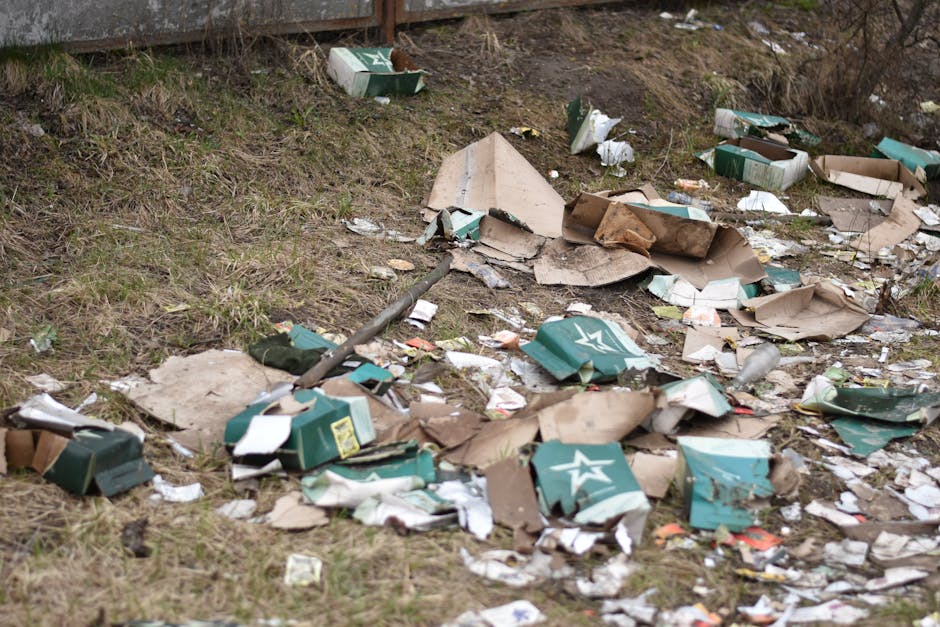
Greenwich Council rules on fly-tipping in Thamesmead: what residents and businesses need to know
If you have ever seen a sofa left by a bin store, builders' rubble tipped beside a wall, or a black bag pile that seems to appear overnight, you already know why fly-tipping causes such frustration. In Thamesmead, the topic can feel a little tangled because local boundaries, housing estates, and waste collection responsibilities do not always line up neatly. This guide explains Greenwich Council rules on fly-tipping in Thamesmead in plain English, so you can understand what counts as fly-tipping, what to do if you spot it, how to avoid getting caught out yourself, and when proper waste removal is the safer choice.
Truth be told, most problems start with something small: one bag left "just for now", one old wardrobe wedged behind a fence, one builder hoping nobody notices. Then it becomes everyone else's problem. Let's fix that with a clear, practical walkthrough.
Why Greenwich Council rules on fly-tipping in Thamesmead Matters
Fly-tipping is not just an eyesore. It can block access routes, attract vermin, create slip and trip hazards, and make an estate or street feel neglected very quickly. In a place like Thamesmead, where shared spaces, communal bin areas, and mixed residential layouts are common, dumped waste can spread from one corner into a much bigger local nuisance before anyone has had time to deal with it properly.
The rules matter because responsibility matters. If waste is left where it should not be, the council may investigate who put it there and whether the person who arranged its disposal took reasonable care. That is the bit many people miss. "I gave it to someone cheap" is not always a defence, and to be fair, it is a costly shortcut when things go wrong.
It also matters for the wider community. One abandoned mattress can invite more dumping. A half-full sack of mixed rubbish can become a magnet for more. Before long, the area looks worse than the original mess would suggest. You will notice that people are much more likely to keep using a tidy space than one that already looks ignored. Human behaviour, simple as that.
For local homeowners, landlords, managing agents, tenants, and small businesses, understanding the rules helps you protect yourself from fines, avoid complaints, and arrange disposal properly. If you are clearing a flat, refurbishing an office, or dealing with bulky waste after a move, planning the disposal route before you start is far easier than dealing with the aftermath.
How Greenwich Council rules on fly-tipping in Thamesmead Works
At a practical level, fly-tipping means leaving waste somewhere without authorisation. That can include public land, private land, communal areas, alleyways, grass verges, vacant plots, and service roads. It can be something as obvious as a fridge dumped by a wall or as ordinary-looking as bin bags placed beside a full communal container when they should have been taken elsewhere.
The key point is that legal disposal is about more than "throwing it away". Waste should go to an authorised route, whether that is council collection, a licensed waste carrier, a household recycling facility, or another approved disposal arrangement. If someone removes waste on your behalf, you should be confident they are acting properly. If not, the liability can land back with you. That is the unpleasant bit, and yes, it happens more often than people think.
In Thamesmead specifically, the local picture can be shaped by estate management, shared boundaries, and whether a property sits within an area served through Greenwich-related arrangements or neighbouring authority systems. Because of that, it is always wise to check who is responsible for the land where the waste has appeared and which authority should be contacted if you are reporting it. The council responsible for the land is usually the one to lead on investigation and cleanup, but the waste itself still needs to be handled lawfully whatever the boundary line says on paper.
Fly-tipping is also different from an ordinary missed collection. Missed collection usually means presenting bins correctly and waiting for a service issue to be resolved. Fly-tipping is deliberate or careless dumping. Different problem, different response. Mixing the two up is one of the more common reasons people waste time.
Key Benefits and Practical Advantages
Following the rules may sound obvious, but there are real benefits beyond avoiding trouble. The first is peace of mind. You know where the waste is going, who is handling it, and what happens next. That matters when you are dealing with a whole house clearance, a renovation job, or the chaos of a move.
The second is cost control. A low upfront price for a dodgy clearance can turn into a much bigger expense if waste is traced back to you, if you need to pay for a second removal, or if landowners have to recover costs from dumped materials. In practice, proper disposal often ends up being the cheaper option once the full picture is considered.
The third is cleaner spaces. This sounds almost too simple, but it is not. Well-managed waste removal helps communal areas stay usable, reduces complaints, and creates less stress for neighbours. Nobody enjoys stepping around a broken drawer on the way to the bin store.
The fourth is better planning. Once you understand the rules, you can sort reusable items, recycling, and general waste before the clearance starts. That can reduce volume, shorten collection time, and improve the chance that items are handled responsibly. If you also care about sustainability, it makes a visible difference. A tidy load is easier to separate than a mixed one that has been thrown together in a rush.
For businesses, the benefits are even more practical. Good waste control supports safe premises, clearer access for staff and visitors, and a more professional front of house. Nobody wants a business entrance that looks like it was used as a temporary dumping ground at 8am on a wet Tuesday.
Who This Is For and When It Makes Sense
This topic is for anyone in Thamesmead who handles waste, reports dumping, or wants to avoid disposal mistakes. That includes:
- homeowners clearing garages, lofts, sheds, or gardens
- tenants moving out of flats or maisonettes
- landlords dealing with left-behind furniture or refuse
- managing agents responsible for communal areas
- builders and tradespeople generating rubble or packaging
- office managers replacing furniture or clearing old files and equipment
- small businesses with recurring commercial waste needs
It also makes sense if you are looking at one awkward item and thinking, "How hard can this be?" Fair question. The answer depends on what the item is, whether it contains hazardous material, how bulky it is, and where it needs to go. A single broken chair is one thing. A soaked carpet, a stack of renovation waste, or a mixed load of old furniture and plasterboard is quite another.
If you are in the middle of a flat clearance or need to empty a property after a tenant leaves, it can be sensible to combine the legal side of disposal with a proper service route. Pages like flat clearance, house clearance, and home clearance are useful starting points when the waste is part of a bigger job rather than a single item.
Step-by-Step Guidance
If you want to stay on the right side of the rules, use a simple process. It does not need to be complicated.
- Identify the waste properly. Separate general rubbish, bulky items, garden waste, builder's waste, and anything potentially hazardous. Old paint tins, sharp metal, electricals, and chemicals need extra care.
- Work out who owns the responsibility. If the waste is on private land, the landowner or managing party may need to act. If it is on public land, report it to the relevant local authority.
- Photograph the issue. A quick photo helps document the condition and location before anything is moved. This is especially useful if the dump has affected a shared access route or a car park.
- Check whether the waste can be reused or recycled. Not everything needs to go to landfill or residual disposal. A clean wooden table, for example, is often very different from damaged upholstered furniture.
- Choose the correct disposal route. Use council collection where appropriate, or book a licensed waste removal service for bulky or mixed waste. For recurring commercial needs, a business waste arrangement is usually the better fit.
- Ask for clarity before anyone takes the waste away. If a collector is removing items for you, make sure they are clear about what happens next and what they can handle.
- Keep records. Receipt, invoice, collection time, and what was collected. Simple stuff, but it can save a lot of grief later.
If the situation is more than a single bag or two, consider using a proper waste removal route rather than improvising. It is often the difference between "sorted by lunchtime" and "why is this still here on Friday?"
Expert Tips for Better Results
One of the best ways to avoid fly-tipping problems is to reduce confusion before the waste is moved. In our experience, confusion is what causes most bad decisions. People are in a rush, someone is leaving a property, someone else is trying to save a few pounds, and the paperwork gets ignored.
Tip one: never hand over waste without knowing who is taking it. If a person or company cannot explain where the waste goes, that is a red flag. Not dramatic. Just enough of one to make you pause.
Tip two: separate items before collection. A mixed heap takes longer to sort and can raise disposal costs. Bulky furniture, white goods, garden cuttings, and construction rubble are all handled differently in practice.
Tip three: protect shared areas. If you are moving waste through a block or narrow passage, use coverings and keep a clear route. Wet cardboard on a Monday morning can turn a tidy hallway into a slippery mess very fast.
Tip four: plan for awkward items early. Sofas, wardrobes, garage junk, and loft clutter are easier to deal with when they are not left until the last minute. For larger clearances, pages such as garage clearance and loft clearance can be helpful if you are organising a broader removal.
Tip five: think about the finish line, not just the pickup. The goal is not simply to make the pile disappear. It is to leave the site safe, compliant, and properly cleared. That is the real win.
Common Mistakes to Avoid
There are a few classic errors that keep cropping up.
- Assuming an item left near bins is "just temporary". If it is not in the correct disposal path, it can quickly become a fly-tipping issue.
- Using an unverified collector. Cheap can become expensive very fast if the waste ends up dumped elsewhere.
- Leaving waste on land you do not control. Even if the intention is good, this can still create problems for the property owner or manager.
- Mixing recyclable items with general rubbish. It is lazy, and it usually makes disposal harder.
- Ignoring bulky item rules. Beds, sofas, fridges, cupboards, and renovation debris often need separate handling.
- Forgetting about tenant or contractor responsibility. If someone else created the waste, get clear evidence of what they removed and when.
One small mistake I see often is people assuming "a pile at the back" does not count if nobody can see it. Sadly, that is not how the issue works. Hidden waste is still waste, and it can still cause a headache later.
Tools, Resources and Recommendations
You do not need fancy systems to manage waste properly. A few simple tools go a long way:
- a phone camera for before-and-after photos
- a written inventory for larger clearances
- a booking note with collection date and time
- basic labels for separating furniture, recycling, and rubbish
- gloves and sturdy bags for safe handling
If your clearance is substantial, it may be worth using a service that already handles different waste streams and offers straightforward planning. For example, if a project involves furniture, household items, or mixed waste, pages such as furniture clearance, furniture disposal, and waste removal can help you think through the right route.
For commercial spaces, the right route often looks a little different. A business should think about frequency, access, storage space, and duty of care. If that sounds like your situation, business waste removal and office clearance are the more relevant starting points.
And if you are still comparing options, checking pricing and quotes can help you understand how a job might be costed before you commit. No one likes surprise charges, especially when the bins are already full and tempers are slightly frayed.
Law, Compliance, Standards, or Best Practice
While this article is not legal advice, a few principles are worth keeping in mind. In the UK, waste must be handled responsibly, and anyone who produces or transfers waste should take reasonable care to ensure it goes to an authorised person or facility. That basic duty is the backbone of good waste practice.
Best practice usually includes:
- checking that the collector is suitable for the type of waste
- keeping evidence of transfer or collection
- avoiding waste handover without basic identification of the carrier
- separating hazardous or specialist waste from ordinary rubbish
- using clear written instructions for contractors, tenants, or staff
If you are responsible for a property, shared block, or workplace, you should also think about access control and site safety. Poorly managed waste points can create fire risk, obstruction, or contamination. The right approach is often a mix of prevention, education, and proper removal rather than reacting after the pile has already become a problem.
It is also sensible to check site-specific rules for communal areas, estate management policies, and tenancy agreements. These documents are not glamorous, I know, but they can save hours of argument later.
For companies that want to demonstrate responsible handling, related pages like recycling and sustainability, health and safety policy, and insurance and safety can also be useful in building trust and showing good operational standards.
Options, Methods, or Comparison Table
If you are deciding how to deal with waste in Thamesmead, the best option depends on volume, item type, urgency, and whether the waste is household or commercial. Here is a practical comparison.
| Option | Best for | Strengths | Watch-outs |
|---|---|---|---|
| Council collection or local reporting | Reported fly-tipping, routine household disposal | Clear public process, appropriate for genuine dumping issues | May not suit bulky or mixed clearances, can take time |
| DIY transport to authorised disposal | Small loads, organised households, light business waste | Direct control, simple for manageable loads | Needs a suitable vehicle, time, and correct sorting |
| Licensed waste removal service | Bulky, mixed, or time-sensitive clearances | Convenient, scalable, better for awkward items | Quality varies, so checking professionalism matters |
| Specialist clearance service | Homes, flats, offices, garages, lofts, gardens | Handles larger jobs with more structure | Needs clear scope so the right crew and equipment arrive |
If the issue is a dumped item on communal land, reporting is usually the right first step. If the issue is your own unwanted waste, the right answer is usually to arrange removal properly, not to shift it somewhere else and hope for the best. That last approach causes more local problems than people realise.
Case Study or Real-World Example
A typical Thamesmead scenario goes like this. A resident clears out a flat after a move and ends up with a worn sofa, a bedside cabinet, several bags of mixed clutter, and some packaging from new furniture. The temptation is to leave the old items near a communal bin area "until collection day", especially if it is late and raining. You can almost hear the door shut and the keys jingling in the pocket. But that is exactly how a small disposal job becomes a fly-tipping complaint.
A better approach is to separate what can be donated, recycled, or reused, then arrange a proper clearance for the rest. The resident keeps a record of the collection, checks what the service will take, and avoids leaving anything in a shared area. The result is simpler than arguing later about whose bag it was and whether the neighbour saw it first.
Another common case is a small contractor finishing a bathroom refit. Plasterboard, packaging, and old fixtures are left in a driveway because the van is full and the skip is "coming tomorrow". If the site is not protected, that pile can get wet, spread, and become a nuisance very quickly. The lesson? Schedule the removal before the final day, not after it. The extra planning is usually worth it.
Practical Checklist
Use this checklist before any waste leaves your property or site.
- Have I identified exactly what the waste is?
- Is any item hazardous, sharp, or electrical?
- Do I know who is responsible for the land where the waste sits?
- Have I taken photos for my records?
- Have I chosen a legal disposal route?
- Do I know who is collecting the waste?
- Have I separated recycling, bulky items, and general rubbish?
- Do I have evidence of collection or transfer?
- Will the removal leave the area safe and clear?
- Have I checked any building, tenancy, or estate rules that apply?
Expert summary: The safest approach is simple: know what you are disposing of, use a legitimate collection route, and keep a record. That combination prevents most fly-tipping headaches before they start.
Conclusion
Greenwich Council rules on fly-tipping in Thamesmead are really about one simple idea: waste should be placed, carried, and disposed of responsibly. Whether you are a resident clearing out a flat, a landlord dealing with leftover furniture, or a business managing ongoing waste, the smartest move is to plan disposal properly and avoid shortcuts that create bigger problems later.
In real life, the difference between a smooth clearance and a stressful mess is often one phone call, one clearer plan, or one decision not to leave items "for later". That little bit of discipline goes a long way. And honestly, it makes the area feel better for everyone.
If you need help with a larger clearance, compare your options, check what needs removing, and choose the route that keeps you compliant and keeps Thamesmead tidy. It is not glamorous work, but it matters.
Get a free quote today and see how much you can save.
Frequently Asked Questions
What counts as fly-tipping in Thamesmead?
Fly-tipping is any waste left without permission in a place that is not authorised for disposal. That includes pavements, communal areas, alleyways, private land, and open spaces. Even a few bags can count if they have been dumped unlawfully.
Who is responsible if waste is dumped outside my property?
Responsibility depends on where the waste is, who owns or manages the land, and who placed it there. If it is on your land, you may need to arrange removal, even if someone else dumped it. If it is on public land, it should be reported to the relevant authority.
Can I leave rubbish beside the bins if they are full?
Usually, no. If waste is not presented correctly, it may be treated as fly-tipping rather than a collection issue. It is better to hold the waste until the correct disposal route is available or arrange an alternative removal.
How do I avoid using an illegal waste collector?
Ask who is taking the waste, what they will do with it, and whether they are suitable for the type of material you have. Keep written records and be wary of anyone who seems vague, rushed, or unusually cheap.
Is fly-tipping only about large items like sofas or fridges?
No. Small piles, sacks, broken fixtures, garden waste, and mixed rubbish can all count if they are dumped unlawfully. Size matters less than whether the waste has been left without permission.
What should I do if I spot fly-tipping in a communal area?
Take a photo if it is safe to do so, note the location, and report it through the correct local route. If the waste is hazardous or blocking access, treat it as urgent.
Do landlords need to worry about fly-tipping rules?
Yes. Landlords can be affected when tenants leave waste behind or when items are dumped on property they manage. It is wise to have clear move-out procedures and records of any clearance work.
Can builders be fined for leaving waste at a job site?
They can face problems if waste is left unlawfully or if it is not handled responsibly. Construction waste needs proper control, especially where rubble, packaging, or plasterboard is involved. Services like builders waste clearance are often the practical option.
What is the best way to clear bulky household waste legally?
For bulky items, the safest route is usually a legitimate removal service or an authorised collection method. If you are clearing several items at once, a broader service such as waste removal is often easier than piecemeal disposal.
How can I tell if a disposal service is professional?
Look for clear communication, a sensible process, and a willingness to explain what happens to the waste. Good services usually provide straightforward pricing, proper handling of different waste types, and clear expectations.
Is office waste treated differently from household waste?
Often, yes. Business premises tend to need a more structured arrangement because waste can be recurring, heavier, or more varied. If that sounds familiar, business waste removal and office clearance are better suited to the job.
Where can I get help with a full property clearance?
If you are dealing with a full house, flat, loft, garage, or office clearance, it helps to choose a service that matches the property type and the volume of waste. Relevant starting points include house clearance, flat clearance, loft clearance, and garage clearance.
What is the quickest way to stay compliant?
Be clear about the waste, use a legitimate disposal route, and keep a record. That is the short version, and it works surprisingly well. If you are comparing options, you can also review pricing and quotes before booking.
Small choices matter with waste. Get the process right, and the whole street feels calmer for it.